

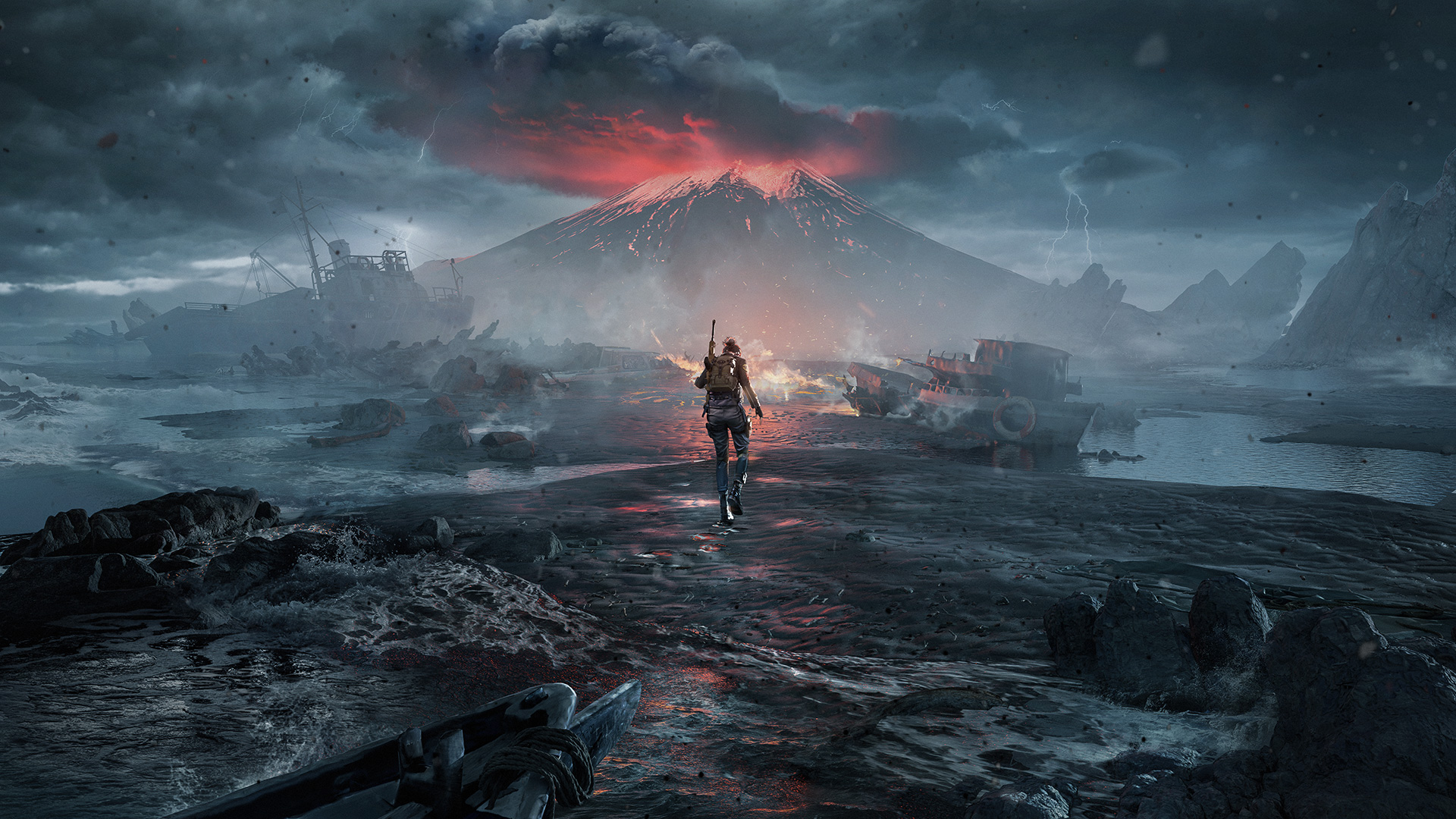
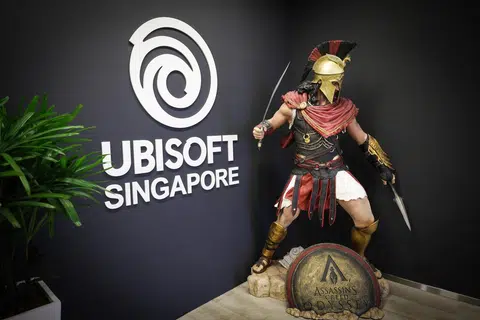
In a crowded genre, design is how a game earns attention. Undawn’s art director, Feng Zhu, founded FZD School of Design in Singapore, where I studied a long time ago, and his approach is a useful case study in what art direction actually does.
I came across an official Undawn video (about three years old) where he explains the game’s world, so I took a look. Undawn is a free-to-play open-world survival RPG from Tencent’s LightSpeed Studios, published by Level Infinite. This is not a review. It is a look at how art direction can set a game apart, and what it can’t fix.
Why Undawn’s Art Direction Stands Out in Survival Games
Post-apocalyptic is one of the most visited settings in games. Anyone entering it gets compared to The Last of Us and every survival title since, whether they like it or not. Undawn also arrived with real ambition. It is mobile-first with a companion PC version on Steam, and it supports cross-progression between the two. Reaching that many platforms with a large open world is hard, and I respect the attempt.
Design as Identity
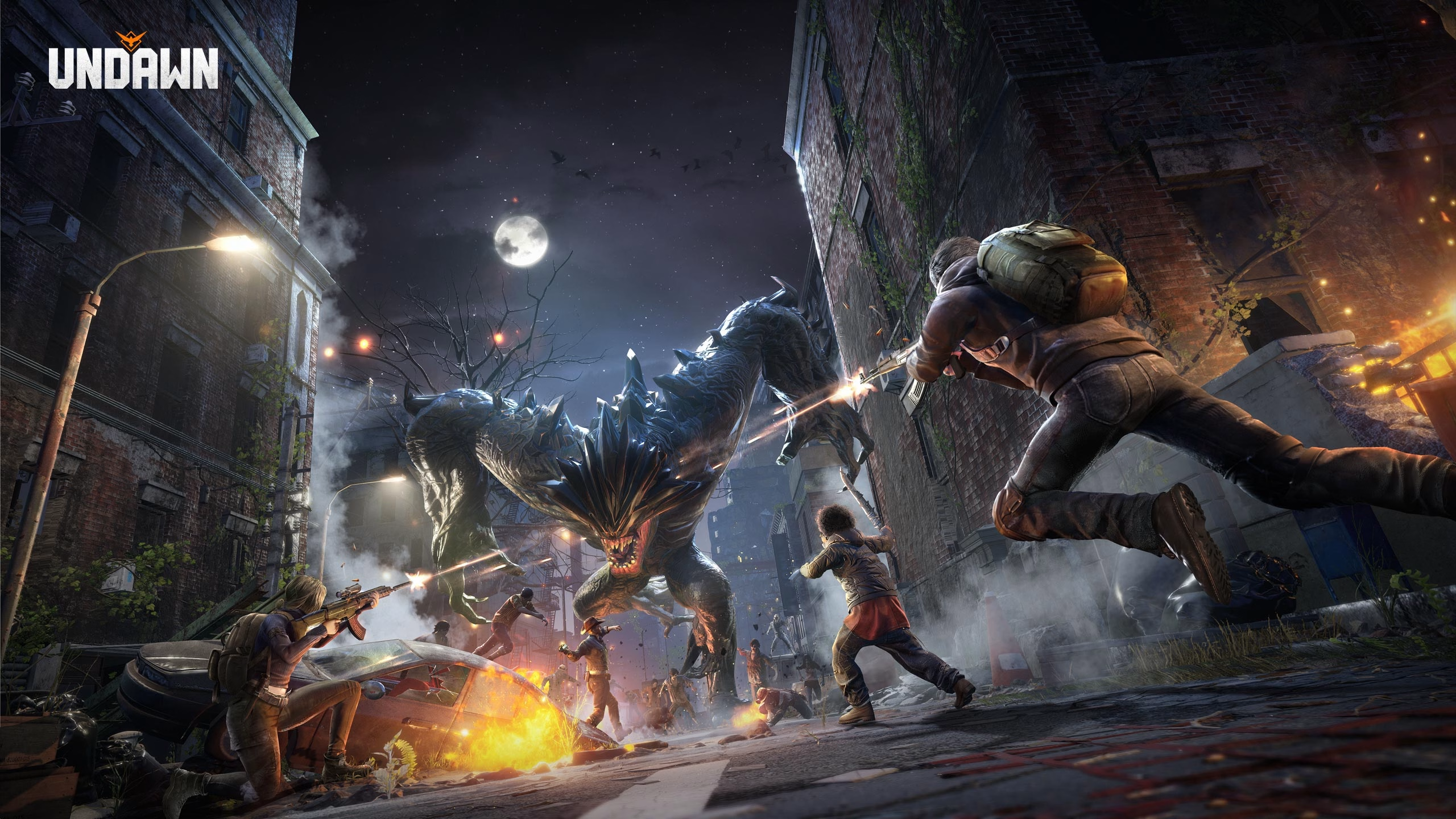
In the video, Feng describes a few deliberate choices. An orange crystal runs through the game as both a visual motif and a story element tied to mutation and experimentation. The “urban forest” idea shows what life looked like before the disaster, with rusted cars, fallen billboards and a crashed airliner among overgrown city trees. There are five factions, each with its own stronghold, including a car cemetery where players rebuild homes from scrap.
This is where design helps with differentiation. A recurring motif like the crystal makes a screenshot recognizable before you read the logo. Factions with distinct environments give a marketing team different things to show. The car cemetery is a good example because it expresses hope inside a bleak setting, and that contrast is easy to remember and easy to put in a trailer.
Believability Over Spectacle
The part of the video I agree with most is Feng’s closing idea. The best games, in his view, don’t make you feel the mechanics or the effort behind the visuals. Players should come away sensing a world that is believable and fun to play in. His earlier point supports it: the art director’s job is to give the project one unified vision and to make the world feel logical.
That fits what I remember of FZD’s emphasis on design logic. Things should look the way they do for a reason. In a market full of similar settings, logic and consistency are what make a world feel like a place instead of a skin.
What Design Can’t Do Alone
Strong art direction makes a game distinctive. It doesn’t make people find it, and it doesn’t make them stay. Undawn is a good example. Its world is carefully designed, yet its Steam player count fell from a peak of about 8,500 concurrent players in June 2023 to roughly 275 by mid-2026. That is Steam only and excludes mobile, so it is an incomplete picture for a mobile-first game, but the direction is clear.
I read this as a lesson about layers. Design handles differentiation. Awareness, retention and timing are separate jobs, and each needs its own plan. Undawn was first planned for 2021 and slipped to 2023, and in a market that moves this fast, timing matters too.
What a Solo Developer Can Take From It
As a solo developer, I’m always asking what scales down. Three things do:
- Pick one visual motif and repeat it everywhere. Players should be able to recognize your game from a single image.
- Give every place a reason to exist, because believability is cheaper than spectacle.
- Treat design as part of marketing. The same decisions that make the world coherent also give you the screenshots, trailers and story hooks.
Undawn shows that strong art direction doesn’t guarantee a hit. It still gave the game something specific to say, and for a small team that is the most useful thing to learn from it.
Game Art Direction FAQ
Why does art direction matter in games?
Art direction gives a game one recognizable visual identity. In a crowded genre, that identity is often what makes a screenshot, trailer or thumbnail stand out before anyone reads the name. It also keeps hundreds of decisions consistent, so the world feels like one place.
What does a game art director do?
An art director sets the visual vision for a project and keeps the work consistent across artists and departments. In the Undawn video, Feng Zhu describes the job as two parts: bringing one unified vision to the visuals, and using his experience to make the game world feel logical.
Can good design save a game that struggles to find players?
Not on its own. Design can make a game distinctive and memorable, but awareness, retention and timing are separate problems. Undawn shows that a well-designed world still needs players to find it and a reason to stay.
Sources
- https://www.youtube.com/watch?v=cE6M0M6wDOY
- https://www.levelinfinite.com/news/lightspeed-studios-survival-rpg-undawn-june-15-pc-mobile/
- https://www.esports.net/news/mobile-games/undawn-beta
- https://steambase.io/apps/1881700
- https://saiganak.com/en/news/levelinfinite-undawn-teaser/
- Officical Site: https://www.undawn.game/gl/home.shtml
Media


Leave a Reply