

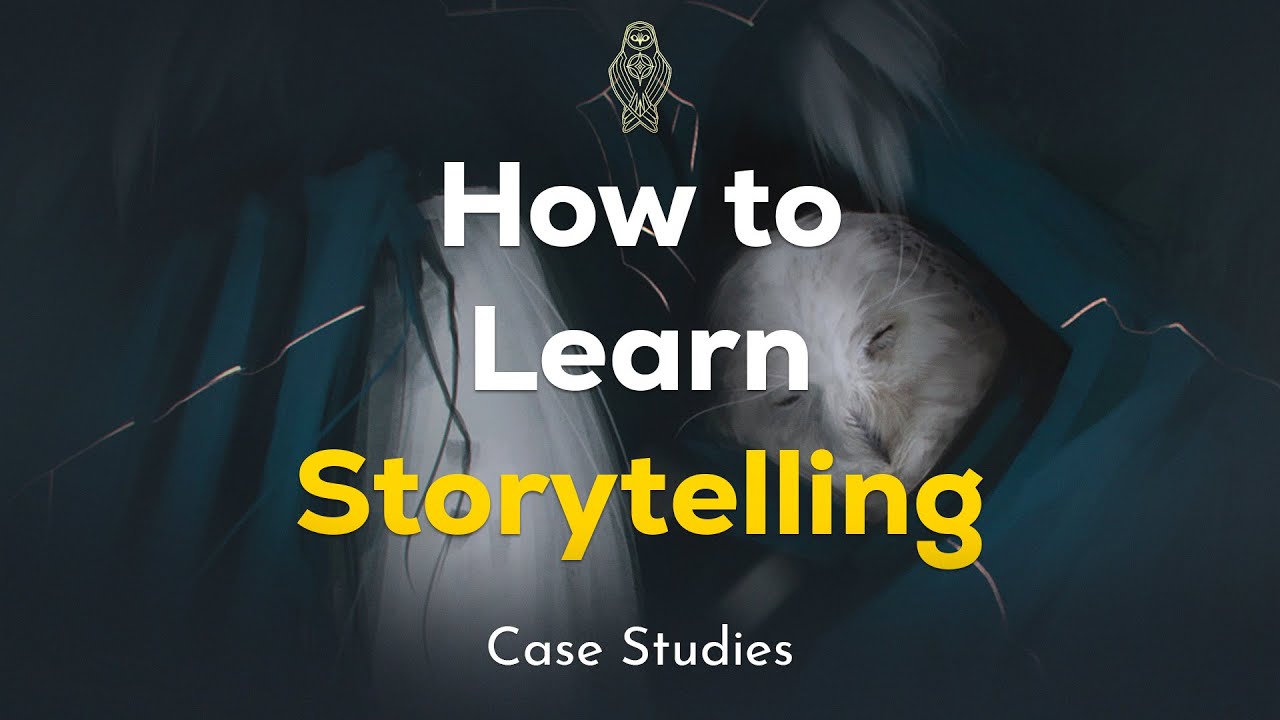
Learned a lot from this about using the environment to tell a story and combine that with props design.
Why Storytelling for Concept Art
Becasue Art is not enough you need to tell a story in the drawing to convey the world setting and vibes and emotional impact. Storytelling is what helps games something One Shot Prompting AI cannot do. Its a lot of placement needed by a human.

Key Takeaways on Storytelling: (AI Summary)
- Context is Key: Environment design should tell a story through the placement of props. For example, a blacksmith’s house can reveal they are a prisoner through clues like chains, specific weapons, or a lack of personal belongings (12:00 – 20:00).
- Big, Medium, Small Theory: The creator breaks down designs into three layers:
- Big: The primary “what” and “where” (the environment type, setting).
- Medium: The function and how the space or object works.
- Small: The specific story details (e.g., signs of wear, personal items) (21:35 – 23:50).
- Engaging the Senses: Great concept art should make the viewer feel the atmosphere—heat, cold, danger, or chaos—rather than just being visually flashy (29:30 – 31:30).
- Character & Prop Design: Characters and props should never be designed in isolation. They should look “lived in” and “used.” A character’s gear should echo their personality and purpose, while props should bridge the gap between the character and their environment (39:00 – 41:30, 54:00 – 56:30).
Tim Art Course
One thing I have not been able to do at my stage
If you are looking for a course check out the Art Nest to be a savage artist
Links
- Website: https://www.theartnest.academy
- Youtube Channel
- Free course to level up your technique : https://theartnest.academy/freecourse
- Production Designer Playbook on Bonzai.pro Art Nest https://www.bonzai.pro/the_art_nest/shop


Leave a Reply